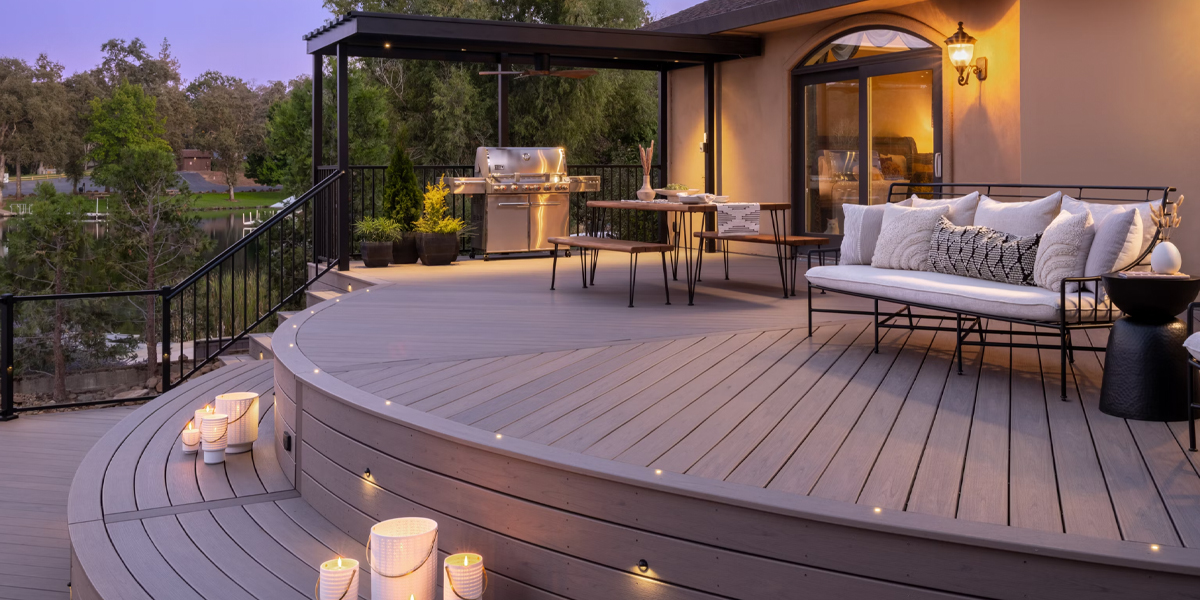


Trex Composite Deck Boards vs. Wood: Which is Better for Your Deck?
Choosing the right deck material is crucial for homeowners looking to enhance their outdoor living space. The two primary options are Trex composite decking and wood decking. Each offers unique benefits and drawbacks that can significantly impact the longevity, maintenance, and aesthetics of your deck.
Why Deck Material Matters
- Durability: A durable deck material that withstands weather conditions and heavy use, ensuring your investment lasts.
- Maintenance: Some materials require more upkeep than others. Understanding maintenance needs can save time and money.
- Aesthetics: The visual appeal of your deck contributes to the overall look of your home.
What We Will Discuss
This article will provide an in-depth comparison between Trex composite decking and traditional wood decking. We’ll explore:
- Understanding Trex Composite Decking
- Exploring Wood Decking Options
- Cost Comparison between Trex and Wood Decking
- Aesthetic Considerations in Deck Material Selection
- Making an Informed Decision: Which is Better for Your Deck?
For those interested in building a deck to code in Calgary, Maritime West Construction offers valuable insights. If you need a skilled contractor, check out Calgary Deck Builder for experienced professionals.
Ready to dive into the details? Let’s get started by understanding what Trex composite decking has to offer.
Understanding Trex Composite Decking
Trex composite deck boards are engineered from a blend of recycled materials, including reclaimed wood and plastic. This innovative composition provides a durable, low-maintenance alternative to traditional wood decking.
Key Benefits
- Low Maintenance Requirements
- Unlike wood, Trex composite decking does not require seasonal painting, staining, or sealing.
- Regular cleaning with soap and water is sufficient to maintain its appearance.
- This ease of maintenance saves time and reduces long-term costs.
- Long-Lasting Durability
- Trex is designed to last 25+ years, outlasting many wood alternatives.
- It resists common issues such as rotting, splitting, splintering, fading, staining, and insect damage.
- Homeowners can enjoy a pristine deck with minimal upkeep for decades.
Eco-Friendly Aspects
Trex composite decking is an environmentally conscious choice. It is made from 95% recycled materials, including:
- Plastic bags
- Reclaimed wood
- Sawdust
By repurposing these materials, Trex helps reduce waste and promotes sustainable living.
For more insights on the benefits of composite decking compared to wood options, you might find this comprehensive comparison useful.
Explore Further
If you’re interested in learning more about the process of maintaining traditional wooden decks—which could influence your choice—check out this step-by-step guide on how to stain a deck.
To see real-life applications and customer satisfaction with Trex decks, consider reading some customer testimonials.
Choosing the right material for your deck involves weighing these benefits against other factors like cost and aesthetics.
Exploring Wood Decking Options
Traditional wood decking materials have long been a staple for outdoor spaces, appreciated for their natural beauty and versatility. Homeowners often choose from a variety of wood types, each offering unique characteristics and benefits.
Popular Choices Among Homeowners
- Pressure-Treated Pine:
- Widely available and budget-friendly
- Treated to resist insects and rot
- Requires regular maintenance such as sealing and staining to prevent cracking and warping
- Cedar:
- Naturally resistant to decay and insects
- Offers a rich, warm colour that can be enhanced with stains
- Softer wood prone to scratches and dents, needs periodic maintenance to maintain appearance
- Redwood:
- Known for its durability and resistance to moisture
- Features a beautiful, reddish hue that can be preserved with clear sealers
- Higher cost compared to pressure-treated pine but offers better longevity with proper care
- Ipe:
- Extremely hard and dense wood, providing exceptional durability
- Naturally resistant to rot, insects, and fire
- Higher upfront cost but minimal maintenance requirements compared to softer woods
Characteristics of Wood Decking
- Natural Aesthetics: Wood decks provide a classic look that many homeowners find appealing. Each type of wood has its own distinct grain pattern and colour.
- Customizability: Wood can be easily stained or painted in various colours, allowing for personal customization. This flexibility ensures that your deck can match your home’s exterior or your personal style preferences.
- Maintenance Needs: Regular upkeep is essential for maintaining the integrity and appearance of wood decks. This includes tasks like sanding, sealing, staining, and painting every 1-2 years.
Choosing the right wood type hinges on balancing initial costs against long-term maintenance efforts. Whether it’s the affordability of pressure-treated pine or the durability of ipe, understanding these options helps in making an informed decision.
By evaluating the pros and cons of each wood type, you can determine which option aligns best with your outdoor living goals.
Cost Comparison between Trex and Wood Decking
When comparing the cost of Trex composite decking with traditional wood decking, it’s important to look at both the initial cost and long-term expenses.
Upfront Costs
Trex Composite Decking:
- Price Range: $4.60 to $13.60 per square foot
- Factors Influencing Cost: Quality of the boards, design options, and specific product lines
Wood Decking:
- Price Range: $2.50 to $4.50 per square foot
- Factors Influencing Cost: Type of wood (e.g., pressure-treated pine, cedar, redwood)
Long-Term Maintenance Costs
Trex Composite Decking:
Trex boards significantly reduce ongoing expenses due to minimal maintenance requirements:
- Cleaning: Simple periodic cleaning with soap and water suffices
- No Sealing/Staining/Painting: Eliminates the need for regular treatments that are mandatory for wood decks
Wood Decking:
Wood decks need regular upkeep to maintain their look and structure. This includes:
- Sanding: Necessary every few years to smooth out rough surfaces
- Sealing/Staining: Recommended annually or biannually to protect against moisture
- Painting: Often needed to keep it looking good and protect it from weather damage
On average, homeowners can expect to spend upwards of $451 annually over 15 years on maintenance for a wood deck.
While the initial cost of Trex composite decking is higher than wood, the savings in long-term maintenance can make it a more economical choice over time.
For those considering professional installation or seeking expert advice, you may find helpful resources through local deck builders like Maritime West Construction. Their expertise can guide you in choosing the right material based on your budget and preferences.
By weighing these costs against your specific needs and financial situation, you can make a more informed decision about which decking material offers the best value for your investment.
Aesthetic Considerations in Deck Material Selection
When it comes to the aesthetics of decking options, both Trex composite and traditional wood decks offer unique visual appeal. Understanding these differences can help you make a more informed decision that aligns with your personal style and preferences.
Trex Composite Decking: Modern Designs
Trex composite decking is designed to mimic the natural look of wood while offering modern design elements.
- Colour Variety: Trex boards come in a wide range of colours, from deep earthy tones to vibrant hues. This variety allows you to choose a colour scheme that complements your home’s exterior.
- Consistency: Each board is manufactured to maintain uniformity in colour and grain pattern, ensuring that the deck looks cohesive.
- Fade Resistance: Trex maintains its rich colour over time, resisting fading due to UV exposure.
For those seeking a sleek, modern look with minimal upkeep, Trex offers an excellent solution. You can explore more about custom deck options from Priddis Deck Builders.
Traditional Wood Decking: Natural Look
Wood decking provides a classic, natural aesthetic that many homeowners find appealing.
- Authentic Grain Patterns: Each plank of wood has its own unique grain and texture, offering a one-of-a-kind appearance.
- Customization with Stains: You have the flexibility to stain or paint your wood deck in various shades. This allows for periodic changes in appearance to match evolving tastes or trends.
- Natural Aging: Wood ages naturally and develops a patina over time, which can add character to your outdoor space.
If you prefer the timeless charm and organic feel of real wood, it may be worth consulting experts like Cochrane Deck Builders for custom solutions.
Customization Possibilities
While wooden decks offer the advantage of customization through staining or painting, they require regular maintenance to retain their aesthetic appeal. On the other hand, Trex composite decking provides a variety of pre-finished options that remain consistent with little to no upkeep. This makes it easier for homeowners who do not wish to invest time and effort into regular deck maintenance.
Understanding these aesthetic differences can significantly influence your choice between Trex composite and traditional wood decking. Whether you lean towards the contemporary designs offered by Trex or the authentic look of natural wood, there are reliable options available from professional deck builders like those in Okotoks and Priddis.
Making an Informed Decision: Which is Better for Your Deck?
Choosing between Trex® composite decking and traditional wood decking depends on your personal needs and preferences. Here are some essential factors to consider:
Maintenance and Durability
- Trex Composite Decking: Requires minimal maintenance, with no need for seasonal painting, staining, or sealing. Trex boards are designed to last 25+ years, resisting common issues like rotting, splitting, and insect damage.
- Wood Decking: Demands regular upkeep including sanding, sealing, and staining every 1-2 years. Wood decks typically last 10 to 20 years but are prone to warping, cracking, and mold growth if not properly maintained.
Cost Considerations
- Upfront Costs: Trex composite decking ranges from $4.60 to $13.60 per square foot, while wood decking costs around $2.50 to $4.50 per square foot.
- Long-Term Costs: Wood decks incur higher maintenance expenses over time—upwards of $451 annually over 15 years—compared to the lower long-term costs associated with Trex composite decks.
Aesthetic Preferences
- Trex Composite Decking: Offers a variety of design options with high-definition wood grain patterns and rich colours that do not fade over time.
- Wood Decking: Provides a natural look and feel that many homeowners prefer. Allows for colour customization through stains but is subject to weathering and wear changes.
To make an informed decision, assess your priorities in terms of maintenance, durability, cost, and aesthetics. For more insights on composite decks, check out the composite decks Archives or explore the lifetime cost of composite decks. If you lean towards wood decking, visit the wooden decks Archives.
Choose the right decking material that aligns with your lifestyle and long-term vision for your outdoor space. For expert guidance on deck building in Calgary, consider consulting with a Composite Deck Builder in Calgary.